🎬 Video Lesson Available
Watch the full 7-slide video lesson for Plant and Animal Cell with AI teacher narration and visual explanations.
Plant and Animal Cell — Master the structural differences between plant and animal cells for NEET. Detailed analysis of cell walls, chloroplasts, and vacuoles for Class 11 Biology.
01The Eukaryotic Blueprint: Comparing the Fortress and the Apartment Complex
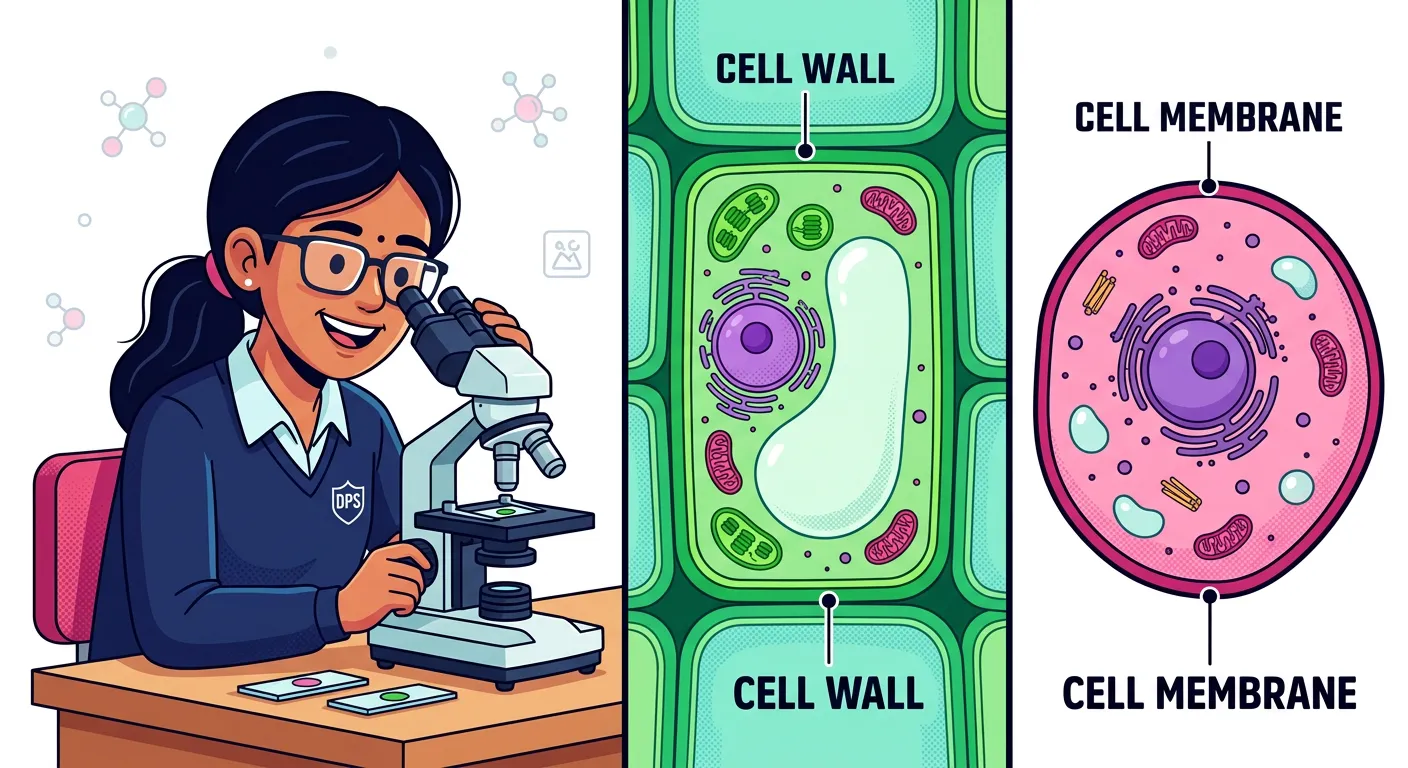
“Welcome, future doctors! Imagine your body is like a massive apartment complex and a plant is like a sturdy fortress. Today, we are exploring the fundamental building blocks of life: the Animal cell and the Plant cell. Let's see what makes them tick!”
In the world of biology, the jump from prokaryotic to eukaryotic cells is one of the most significant evolutionary milestones. When we talk about plant and animal cells, we are looking at two highly specialized versions of the eukaryotic blueprint. Think of the plant cell as a 'fortress'—it is designed for stability, endurance, and self-sufficiency. It cannot move, so it must be built to withstand the elements and produce its own energy. Conversely, the animal cell is more like a modern 'apartment complex' or a mobile unit. It is flexible, dynamic, and designed for interaction, movement, and complex tissue formation.
Despite these external differences, both cell types share a common eukaryotic lineage. They both possess a membrane-bound nucleus and specialized organelles like mitochondria, the Golgi apparatus, and the endoplasmic reticulum. This shared architecture illustrates the fundamental unity of life. Whether we are looking at the leaf of a Neem tree or a human muscle cell, the underlying machinery for protein synthesis and energy production remains remarkably similar. The cytoplasm in both is the main arena of cellular activities, where various chemical reactions occur to keep the cell in a 'living state.' However, specialization occurs in response to the organism's lifestyle—autotrophic (self-feeding) for plants and heterotrophic (energy-consuming) for animals.
Understanding these differences isn't just about memorizing a list; it is about understanding how form follows function. For example, why does a plant need a cell wall while a jellyfish does not? The answer lies in their ecological niche and survival strategies. Plant cells must maintain high internal pressure to stay upright without a skeleton, whereas animal cells require the flexibility to migrate and differentiate into hundreds of specialized types like neurons or leukocytes. This topic serves as the backbone for several other units in Class 11 Biology, including plant physiology and animal tissue structure.
Quick Revision Points
- Both plant and animal cells are eukaryotic, meaning they have a well-defined nucleus and membrane-bound organelles.
- Plant cells are generally larger and fixed in shape (rectangular/polygonal) compared to the more variable shapes of animal cells.
- The structural differences reflect the organism's mode of nutrition: plants are autotrophs, while animals are heterotrophs.
- Evolutionarily, cellular specialization allowed for the development of complex multicellular life forms in both kingdoms.
- Shared organelles like Mitochondria and ER prove a common evolutionary origin despite divergent structural paths.
NEET Exam Angle
- Questions often focus on the 'Universal Eukaryotic Features'—do not forget that both cells possess Mitochondria and Ribosomes (80S).
- Focus on the transition from the simple cell structure in Monera to the complex compartmentalization in Plantae and Animalia.
- NCERT highlights the presence of a cell wall as a primary distinguishing factor; remember that the chemical nature of this wall varies across kingdoms.
02Cellulose Fortifications: The Structural Role of the Plant Cell Wall
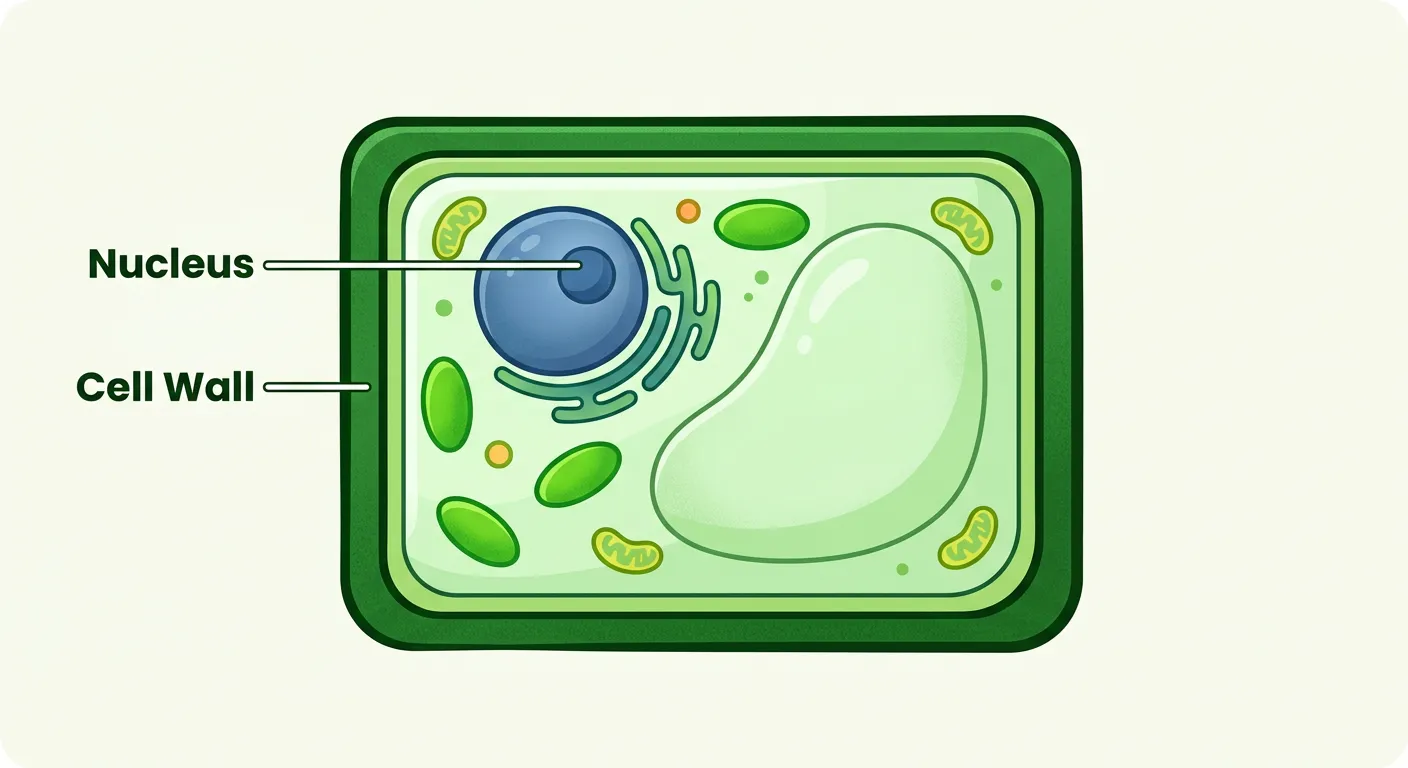
“Think of the plant cell wall like the thick compound wall of a house, made of cellulose. It gives plants their rigid shape and protection against harsh weather. Since plants can't run away from danger, this wall is their first line of defense!”
The defining feature of a plant cell is its rigid cell wall, located outside the plasma membrane. This wall is not just a passive boundary; it is a complex chemical matrix that provides mechanical strength and protection. In young plant cells, the primary cell wall is thin and capable of extension, allowing the cell to grow. As the cell matures and stops growing, a secondary cell wall may form on the inner side (towards the membrane), providing permanent structural integrity. Chemically, the plant cell wall is composed of cellulose (a structural polysaccharide), hemicellulose, and pectins. This composition is a frequent point of inquiry in NEET examinations, as it distinguishes plants from other walled organisms like fungi or bacteria.
Beyond just shape, the cell wall acts as a pressure vessel. When water enters a plant cell via osmosis, the cell expands. Without a wall, the cell would eventually burst (lyse). The rigid wall exerts an opposing pressure, known as wall pressure, which balances the turgor pressure created by the incoming water. This turgidity is what allows non-woody plants to stand upright against gravity. Furthermore, the cell wall serves as a physical barrier against environmental pathogens like bacteria and fungi, providing an innate immune defense. Adjacent cells are held together by the middle lamella, a layer consisting mainly of calcium pectinate, which acts like biological cement.
| Feature | Plant Cell Wall | Fungal Cell Wall | Bacterial Cell Wall |
|---|---|---|---|
| Primary Component | Cellulose | Chitin | Peptidoglycan |
| Permeability | Fully Permeable | Permeable | Permeable |
| Function | Structural support | Protection | Structural support |
Quick Revision Points
- The plant cell wall is primarily composed of cellulose, hemicellulose, and pectin.
- Middle lamella, made of calcium pectinate, acts as the 'glue' between adjacent plant cells.
- The cell wall is fully permeable, allowing water and solutes to pass through easily, unlike the selective plasma membrane.
- It provides protection against mechanical stress and osmotic bursting (lysis).
- Secondary walls are found in specialized cells like tracheids and vessels for extra strength.
NEET Exam Angle
- Remember the chemical composition of the middle lamella: Calcium Pectinate. This is a recurring PYQ.
- Do not confuse 'fully permeable' (Cell Wall) with 'selectively permeable' (Plasma Membrane).
- Understand the role of Plasmodesmata—cytoplasmic channels that bridge the cell walls of adjacent cells to allow communication.
03The Fluid Mosaic Boundary: Why Animal Cells Demand Flexibility
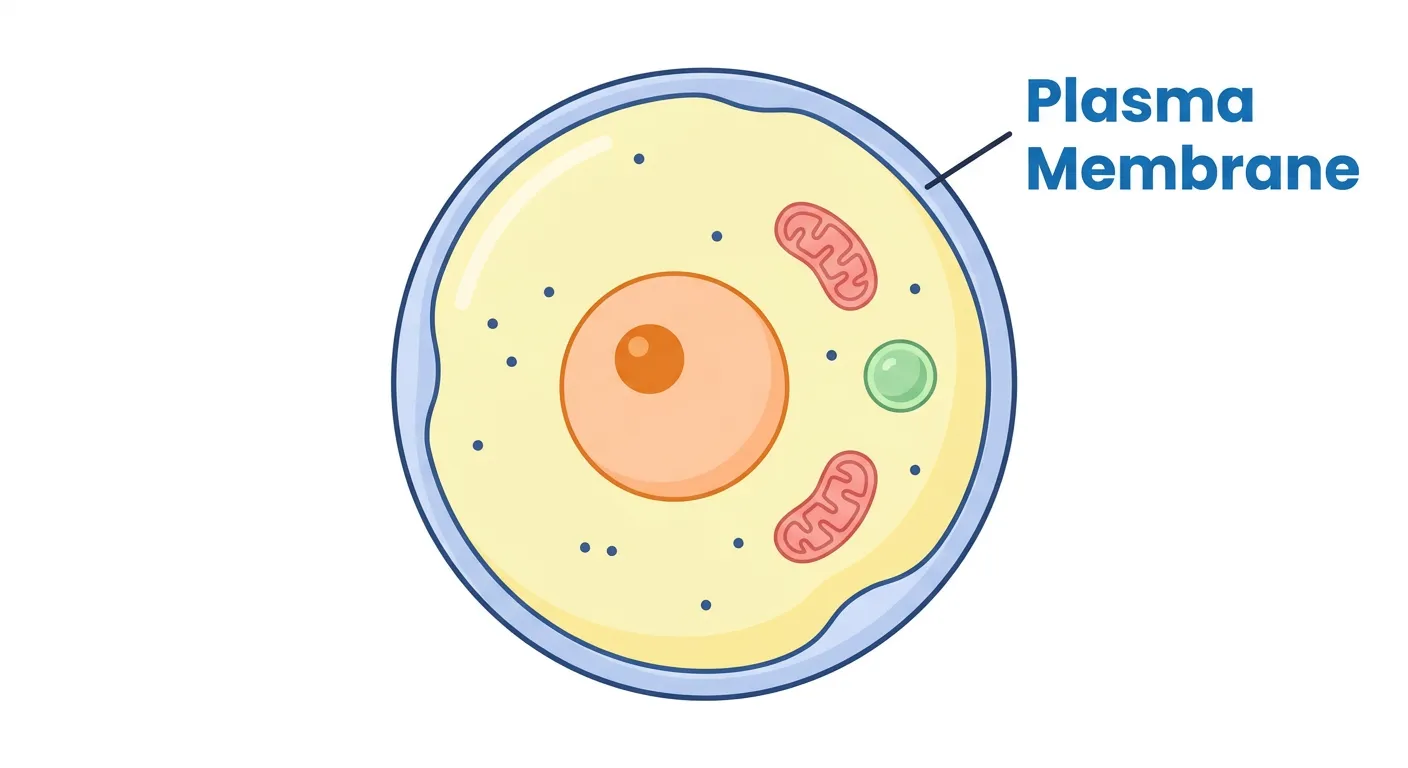
“Animal cells lack a wall, opting for a flexible Plasma Membrane instead. It acts like the security guard at an apartment gate, deciding exactly who enters and exits. This flexibility allows animal cells to change shape and move—unlike our rigid plant friends.”
Unlike the rigid plant cell, the animal cell is bounded only by a plasma membrane. This lack of a cell wall is a critical adaptation for the animal kingdom. Without a rigid exterior, animal cells can change shape, move (like Amoeboid movement or muscle contraction), and organize into complex, layered tissues through specialized junctions like desmosomes and tight junctions. The plasma membrane follows the 'Fluid Mosaic Model' proposed by Singer and Nicolson in 1972. It consists of a phospholipid bilayer with embedded proteins that act like 'security guards,' 'receptors,' or 'transporters.' The lipids are arranged with their polar heads towards the outer sides and hydrophobic tails towards the inner part, ensuring the non-polar tails are protected from the aqueous environment.
In place of a cell wall, many animal cells possess an extracellular matrix or a layer called the glycocalyx. This sugar-rich coating (glycolipids and glycoproteins) helps in cell-to-cell recognition, adhesion, and immune signaling. Because animal cells are flexible and lack a wall, they are highly susceptible to osmotic changes. If placed in pure water (hypotonic solution), an animal cell will swell and burst because it lacks the mechanical 'backstop' of a cell wall. This is why animals require complex homeostatic mechanisms, such as kidneys in higher animals or contractile vacuoles in protozoans, to regulate the salt concentration of their internal fluids. Furthermore, animal membranes contain cholesterol, which is essential for maintaining membrane fluidity and stability at different temperatures—a function partially handled by the cell wall in plants. The flexibility of the membrane also allows for endocytosis (engulfing food particles), a process vital for cells like macrophages and various unicellular organisms.
Quick Revision Points
- Animal cells lack a cell wall, making them flexible and capable of diverse shapes.
- The plasma membrane is selectively permeable, controlling the entry and exit of molecules.
- Cholesterol is present in animal cell membranes to provide stability and fluidity; plants use phytosterols.
- Animal cells utilize the glycocalyx for cell signaling and recognition.
- The lack of a wall allows for cytokinesis via the 'cell furrow' method (centripetal) during cell division.
NEET Exam Angle
- Focus on the 'Fluid Mosaic Model'—know that the membrane is 'quasi-fluid' in nature, allowing lateral movement of proteins.
- Remember: Animal cells have cholesterol in the membrane; plant cells generally do not (they have phytosterols).
- Practical MCQ: If an animal cell is placed in a hypotonic solution, it bursts (Hemolysis in RBCs), whereas a plant cell becomes turgid.
04Turgidity and Storage: The Central Vacuole vs. Temporary Animal Vacuoles
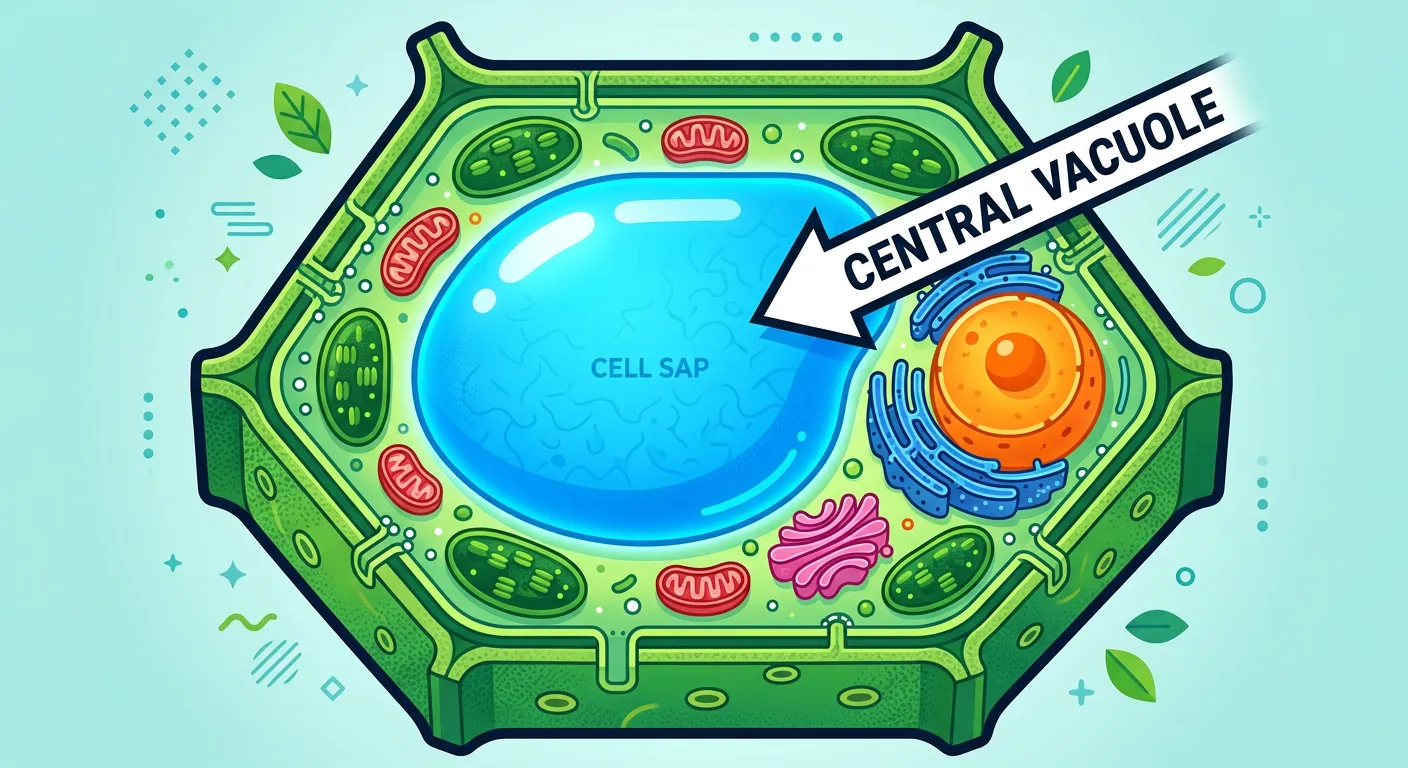
“Ever noticed how plants stand tall? That is thanks to the Central Vacuole! It is like a massive water storage tank inside the cell, pushing against the wall to keep the plant upright. In animal cells, vacuoles are tiny and temporary, if they exist at all.”
One of the most striking differences under a microscope is the vacuole. In a mature plant cell, a single, large 'Central Vacuole' can occupy up to 90% of the cell's volume. This vacuole is bounded by a single membrane called the Tonoplast. The tonoplast is highly specialized; it facilitates the transport of a number of ions and other materials against concentration gradients into the vacuole. This active transport mechanism makes the concentration of solutes significantly higher in the vacuole than in the cytoplasm, creating an osmotic gradient that draws water in. The fluid inside is called cell sap, containing water, sugars, salts, and even waste products.
In animal cells, vacuoles are either absent or very small and temporary. They usually serve specialized functions, such as food vacuoles (formed during phagocytosis in organisms like Amoeba) or contractile vacuoles (used for osmoregulation and excretion). In plants, the main role of the central vacuole is to maintain 'turgor pressure.' By keeping the cell sap concentrated, the vacuole draws water into the cell, pushing the cytoplasm against the cell wall. This internal pressure is what keeps a plant leaf from wilting. When a plant loses too much water, the vacuole shrinks, turgor pressure drops, and the plant wilts. Additionally, the plant vacuole can store anthocyanin pigments, giving flowers their vibrant red, blue, or purple colors, which are essential for attracting pollinators.
| Feature | Plant Vacuole | Animal Vacuole |
|---|---|---|
| Size | Large, Central | Small, Temporary |
| Membrane | Tonoplast | Simple Membrane |
| Function | Turgidity, Storage | Excretion, Endocytosis |
| Longevity | Permanent | Often Transient |
Quick Revision Points
- The Tonoplast is the single membrane surrounding the plant's central vacuole.
- The central vacuole stores water, sap, excretory products, and other materials not useful for the cell.
- In Amoeba, the contractile vacuole is important for excretion and osmoregulation.
- High turgor pressure in the vacuole provides mechanical support to the plant tissue.
- Anthocyanin pigments (responsible for flower colors) are often dissolved in the vacuolar sap.
NEET Exam Angle
- Question Trap: Does the Tonoplast transport ions with or against the concentration gradient? Answer: Against (Active transport).
- Note the position of the nucleus: In mature plant cells, the large vacuole pushes the nucleus to the periphery (peripheral position).
- Distinguish between 'sap vacuole' (plants) and 'gas vacuole' (prokaryotes).
05Photosynthetic Powerhouses: The Unique Presence of Chloroplasts
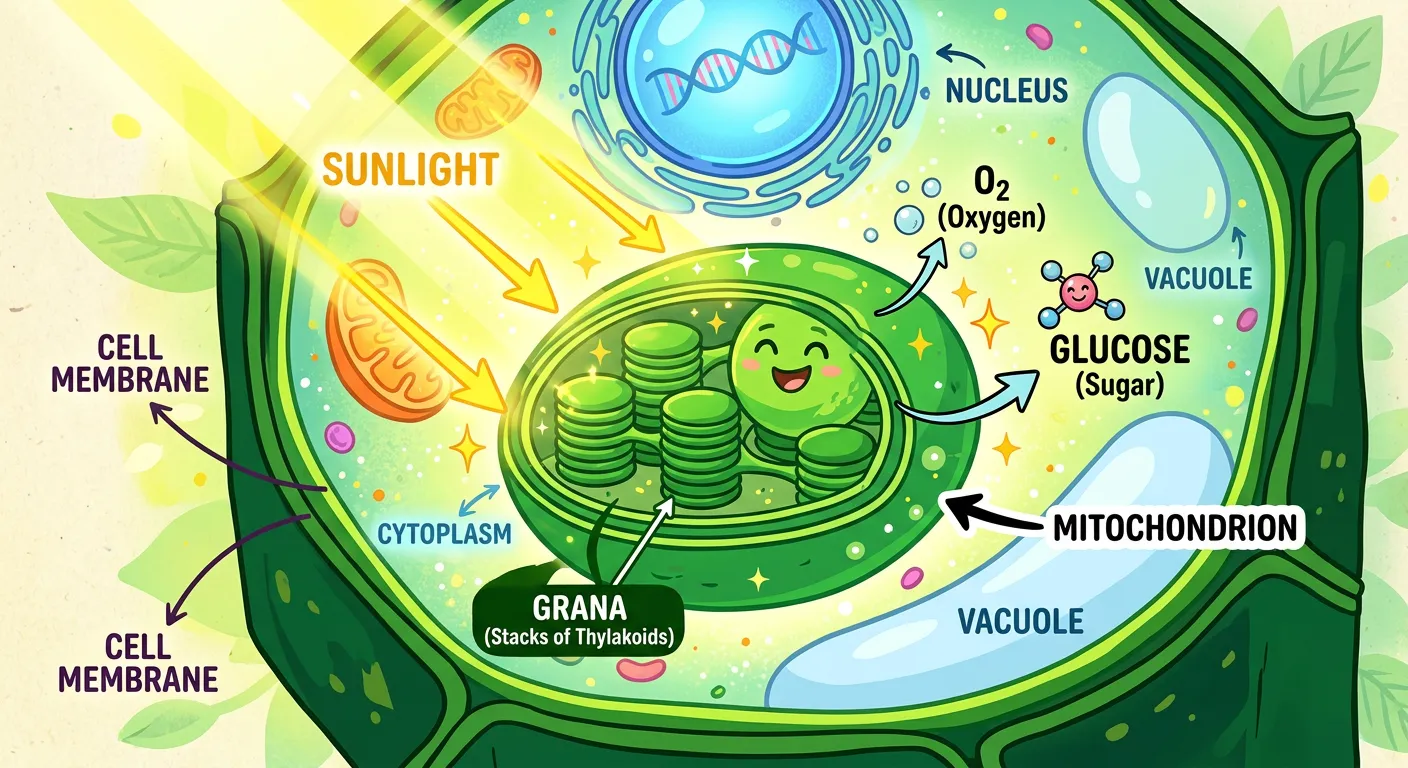
“Plants are the ultimate chefs! Inside them are Chloroplasts, tiny solar-powered kitchens. They use sunlight, water, and CO2 to cook up food via photosynthesis. Animals don't have these, which is why we have to head to the canteen instead of sunbathing for lunch!”
The ability to harvest sunlight is perhaps the most profound cellular distinction between these two kingdoms. Plant cells contain plastids, the most famous of which is the chloroplast. Chloroplasts are double-membrane-bound organelles containing the green pigment chlorophyll and carotenoid pigments. Within the chloroplast are stacks of membrane-bound sacs called thylakoids (the 'grana') and the surrounding fluid called the stroma. This is the site of photosynthesis, where light energy is converted into chemical energy (glucose). Animal cells lack these entirely, meaning they must ingest organic matter to gain energy—the classic definition of a heterotroph.
Plastids are classified into three types based on pigments: Chloroplasts, Chromoplasts, and Leucoplasts. Chromoplasts contain fat-soluble carotenoid pigments like carotene and xanthophylls, giving parts of the plant a yellow, orange, or red color. Leucoplasts are colorless plastids of varied shapes and sizes with stored nutrients: Amyloplasts store carbohydrates (starch), e.g., potato; Elaioplasts store oils and fats; and Aleuroplasts store proteins. Like mitochondria, chloroplasts have their own circular DNA and 70S ribosomes, supporting the Endosymbiotic Theory—the idea that they were once free-living bacteria. Because they have their own genetic material and can synthesize some of their own proteins, they are considered semi-autonomous organelles. In land plants, chloroplasts are typically lens-shaped, oval, spherical, or discoid, found primarily in the mesophyll cells of the leaves.
| Type of Plastid | Main Pigment / Content | Primary Function |
|---|---|---|
| Chloroplast | Chlorophyll | Photosynthesis |
| Chromoplast | Carotenoids | Coloration (Fruits/Flowers) |
| Amyloplast | Starch | Energy storage |
| Elaioplast | Oils/Fats | Lipid storage |
| Aleuroplast | Proteins | Protein storage |
Quick Revision Points
- Chloroplasts are double-membrane organelles found in plant cells and algae.
- They contain chlorophyll and carotenoid pigments which trap light energy.
- Stroma is the site of dark reactions (CO2 fixation), while grana are the site of light reactions.
- Animal cells never possess chloroplasts or any other plastids.
- Plastids are classified based on the type of pigments they store (Leucoplasts vs Chromoplasts).
NEET Exam Angle
- Remember the Endosymbiotic Theory evidence: Chloroplasts have circular DNA and 70S ribosomes, similar to bacteria.
- Distinction: Chloroplasts (Plants) vs. Chromatophores (found in some photosynthetic prokaryotes).
- High-yield fact: Chloroplasts are 'semi-autonomous' organelles because they have their own genetic material.
06The Master Controller: Nucleus and Genetic Continuity in Eukaryotes
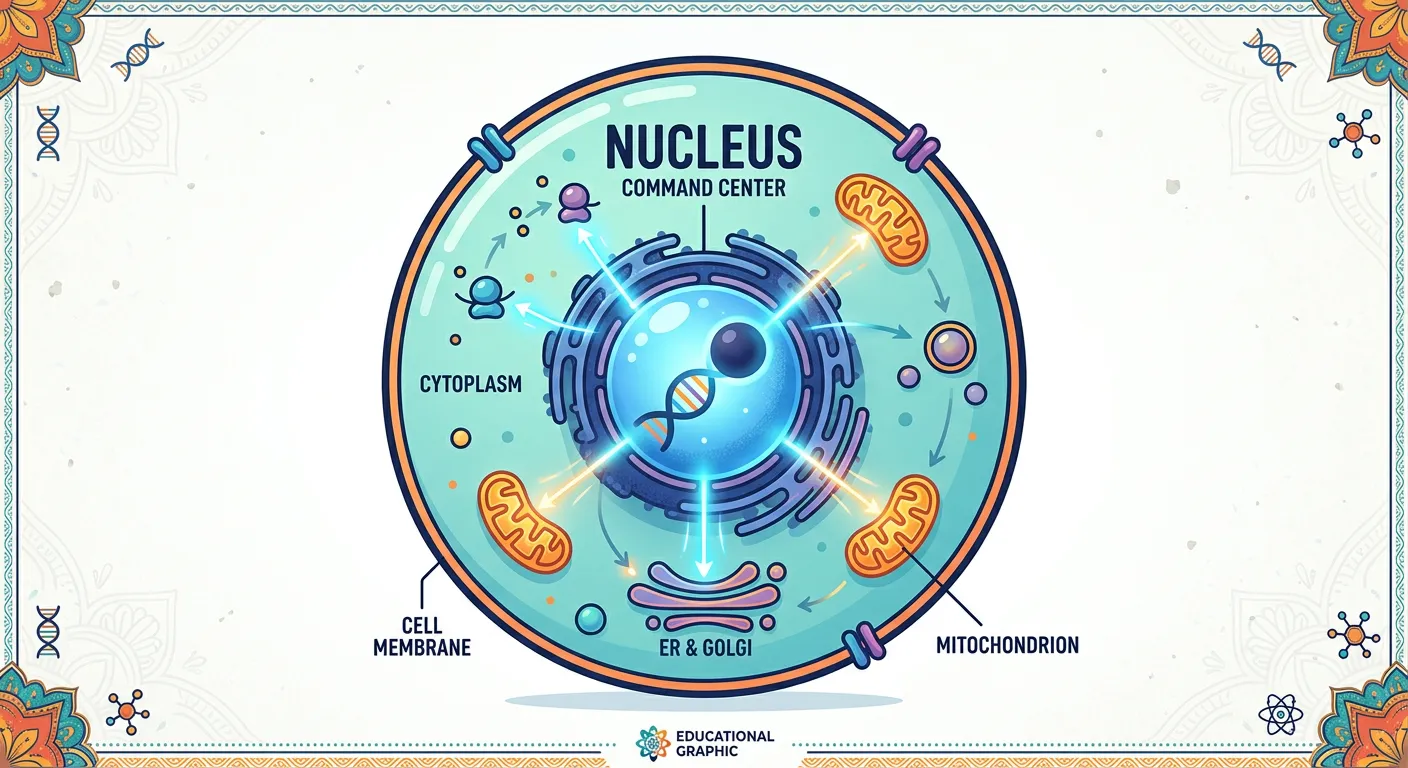
“Both cells have a Nucleus, the 'Brain' of the cell. It holds the DNA blueprints, essentially the master instructions for everything the cell needs to do. Whether you're a human or a hibiscus, the nucleus is where the CEO sits, managing all biological operations.”
While plant and animal cells differ in their external structures, they are unified by the presence of a Nucleus. This organelle is the 'control center' or 'CEO' of the cell, first described by Robert Brown in 1831. It contains the genetic material in the form of DNA, organized into chromatin threads composed of DNA and proteins called histones. During cell division, this chromatin condenses into distinct chromosomes. The nucleus is surrounded by a double-layered nuclear envelope. The space between these two membranes is called the perinuclear space (10 to 50 nm), which forms a barrier between the materials present inside the nucleus and that of the cytoplasm. The outer membrane usually remains continuous with the endoplasmic reticulum and also bears ribosomes on it.
At several places, the nuclear envelope is interrupted by minute nuclear pores, which are formed by the fusion of its two membranes. These nuclear pores are the passages through which movement of RNA and protein molecules takes place in both directions between the nucleus and the cytoplasm. Inside the nucleus, the nucleolus acts as a factory for active ribosomal RNA (rRNA) synthesis. Cells that are actively carrying out protein synthesis have larger and more numerous nucleoli. While animal cells usually have a central nucleus, mature plant cells have a peripheral nucleus due to the massive central vacuole. It is important to note that some mature cells lack a nucleus altogether, such as the erythrocytes (RBCs) of many mammals and sieve tube cells of vascular plants. Despite being 'enucleated,' these cells function for a limited time, but the nucleus remains the essential director for long-term cell growth, metabolism, and heredity.
Quick Revision Points
- The nucleus is bounded by a double-membrane nuclear envelope with nuclear pores.
- Nucleolus is the site for active ribosomal RNA (rRNA) synthesis.
- Chromatin contains DNA and basic proteins called histones, as well as non-histone proteins.
- The nucleus coordinates cellular activities like protein synthesis and cell division.
- All eukaryotic cells (except some mature cells like mammalian RBCs and sieve tube cells in plants) possess a nucleus.
NEET Exam Angle
- Pay attention to exceptions: Mammalian Red Blood Cells (RBCs) and Phloem Sieve Tube elements lack a nucleus at maturity.
- The 'Perinuclear space' is the gap between the two nuclear membranes (usually 10 to 50 nm).
- Know the role of the nuclear pore: It allows the bidirectional movement of proteins and RNA between the nucleus and the cytoplasm.
07NEET Strategy: Mastering the BIG THREE Cellular Distinctions
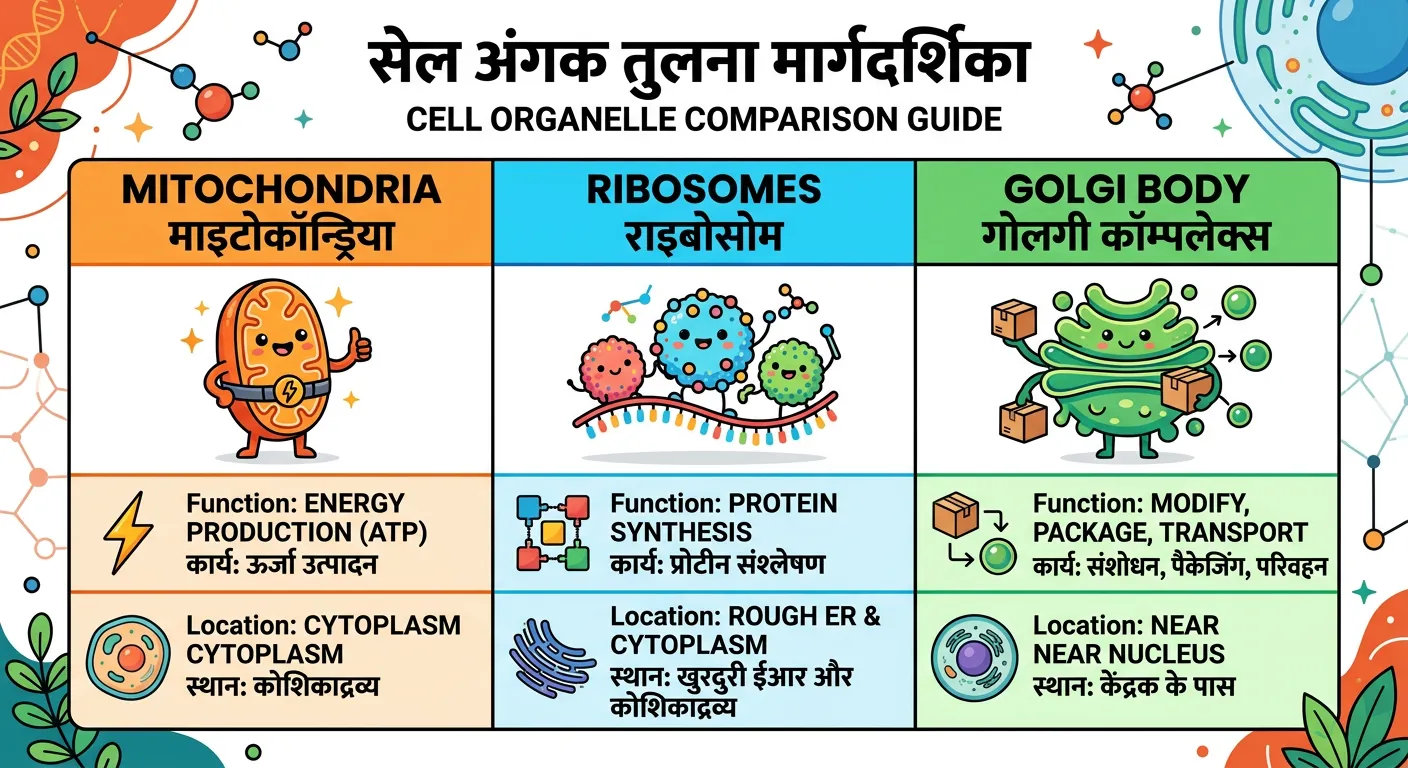
“To ace your NEET exam, remember the 'BIG THREE' differences: Cell Wall, Chloroplasts, and the Central Vacuole are the plant cell's VIPs! Animals skip these but share the rest of the machinery. Master this, and you are one step closer to that MBBS seat!”
To master this topic for NEET, you must focus on the 'Big Three' differences: the Cell Wall, Chloroplasts, and the Central Vacuole. However, there is a fourth, often-overlooked difference that frequently appears in MCQs—the Centrosome and Centrioles. Centrioles are cylindrical structures almost exclusively found in animal cells, where they play a vital role in organizing the spindle fibers during cell division. Most higher plant cells lack centrioles (anastral mitosis), yet they still manage to divide successfully using other microtubule-organizing centers.
When identifying cell types under a microscope, look for the 'boxy' or fixed shape and peripheral nucleus to identify a plant cell, or the irregular, variable shape and central nucleus for an animal cell. In the lab, you might see Onion peel cells (plant) versus Human cheek cells (animal). The onion cells will show a clear cell wall and a large vacuole, while the cheek cells will look like thin, flexible, flat plates with a prominent central nucleus. Additionally, pay attention to storage products: plants store energy as starch (found in amyloplasts), while animals store energy as glycogen. During cell division, plants form a 'cell plate' that grows from the center outwards (centrifugal), whereas animal cells undergo cytokinesis through a 'cleavage furrow' that pinches in from the outside (centripetal). Practice comparing these features side-by-side using a tabular format, as this is how the NCERT presents the information and how the NTA frames its questions.
| Feature | Plant Cell | Animal Cell |
|---|---|---|
| Cell Wall | Present (Cellulose) | Absent |
| Plastids | Present | Absent |
| Vacuoles | Large, Central | Small, Temporary |
| Centrioles | Absent (in higher plants) | Present |
| Stored Food | Starch | Glycogen |
Quick Revision Points
- Plant cells store energy as starch; animal cells store it as glycogen.
- Centrioles are found in animal cells and help in the formation of the spindle apparatus.
- Cytokinesis in plants occurs via 'cell plate' formation, while in animals it occurs via 'cleavage furrow.'
- Higher plants lack centrioles but still form spindle fibers (anastral mitosis).
- Remember that lysosomes are much more common and prominent in animal cells than in plant cells.
NEET Exam Angle
- NCERT specifies that 'almost all' animal cells have centrioles. This is a key distinguishing feature for cell division questions.
- Expect questions on 'Stored Food'—Plant: Starch vs. Animal: Glycogen.
- Match the following: Centriole-Animal Cell, Chloroplast-Plant Cell, Tonoplast-Plant Vacuole.
Recommended Reading
Explore related Biology topics to build deeper chapter connections for NEET.
- Cell Theory · Topic 3.1
- Golgi Bodies · Topic 3.10
- Lysosomes · Topic 3.11
- Vacuoles · Topic 3.12
- Plastids · Topic 3.15
- Prokaryotic and Eukaryotic Cell · Topic 3.2
- Jump to Key Terms (Quick Revision)
- Review Common NEET Mistakes
- Solve NEET Practice MCQs
- Read Topic FAQs
- Practice NEET MCQs
- Solve NEET PYQs
📚 Key Terms
⚠️ Common NEET Mistakes
- 1Thinking that mitochondria are only in animal cells. (Both plant and animal cells have mitochondria for cellular respiration!)
- 2Confusing the cell wall with the cell membrane. Remember the cell wall is fully permeable and rigid, while the membrane is selectively permeable and fluid.
- 3Assuming all plant cells have chloroplasts. (Root cells, for example, lack chloroplasts as they are not exposed to light.)
- 4Forgetting that higher plants lack centrioles, even though they still undergo mitosis.
- 5Misidentifying the middle lamella as part of the plasma membrane; it is actually the outermost layer between two plant cells.
📝 NEET PYQ & Practice Questions
Test your understanding of Plant and Animal Cell with NCERT-aligned sample questions.
Which of the following statements is correct regarding "Cellulose" in the context of NEET Biology?
In NEET question papers, questions related to "Plant and Animal Cell" predominantly test:
Consider Chloroplast associated with Plant and Animal Cell. What is the primary characteristic expected in NEET MCQs?
Master Plant and Animal Cell with NeetQ AI Tutor
Practice 50+ topic-wise MCQs, previous 15 years NEET questions, and get step-by-step doubt resolution instantly.
❓ Frequently Asked Questions
What are the three main differences between plant and animal cells for NEET?
The three main differences are: 1. Plant cells have a rigid cellulose cell wall, while animal cells do not. 2. Plant cells contain plastids (like chloroplasts) for photosynthesis, which animal cells lack. 3. Plant cells have a large central vacuole, whereas animal cells have small, temporary vacuoles or none at all.
Why do animal cells lack a cell wall while plant cells require one?
Animal cells lack a cell wall to allow for flexibility, motility, and the formation of complex tissues and organs. Plant cells require a cell wall for structural support, protection, and to withstand high turgor pressure, as plants are stationary and cannot move to escape environmental stress.
Do animal cells ever have vacuoles, and how do they differ from plant vacuoles?
Yes, animal cells can have vacuoles, but they are much smaller, temporary, and involve specific functions like digestion (food vacuoles) or water balance (contractile vacuoles). Plant cells have a single, large, permanent central vacuole that maintains turgor pressure and stores cell sap.
What is the chemical composition of the plant cell wall mentioned in NCERT?
According to NCERT, the plant cell wall is composed of cellulose, hemicellulose, pectins, and proteins. It also mentions that the middle lamella is made of calcium pectinate.
Which organelle is exclusively found in animal cells and helps in cell division?
Centrioles (located within the centrosome) are found in animal cells and are absent in higher plant cells. They help in organizing the spindle fibers during cell division.
Why is the position of the nucleus different in mature plant cells compared to animal cells?
In mature plant cells, the development of a large central vacuole (occupying up to 90% of the volume) pushes the nucleus and cytoplasm to the periphery of the cell. In animal cells, which lack a large central vacuole, the nucleus usually remains in a central position.
Written By
NEET Content Strategist & Biology Expert
Sangita Kumari is a NEET educator and content strategist with over 6 years of experience teaching Biology, Chemistry, and Physics to Class 11 and 12 aspirants. She helps bridge the gap between traditional NCERT preparation and modern AI-powered learning. Her content is trusted by thousands of NEET aspirants across India.