🎬 Video Lesson Available
Watch the full 7-slide video lesson for Vacuoles with AI teacher narration and visual explanations.
Vacuoles — Master the role of Vacuoles in plant and animal cells. Learn about Tonoplast, Turgor Pressure, and Contractile Vacuoles for NEET 2025 exam preparation.
01The Cellular Reservoir: Introduction to Vacuolar Storage Units
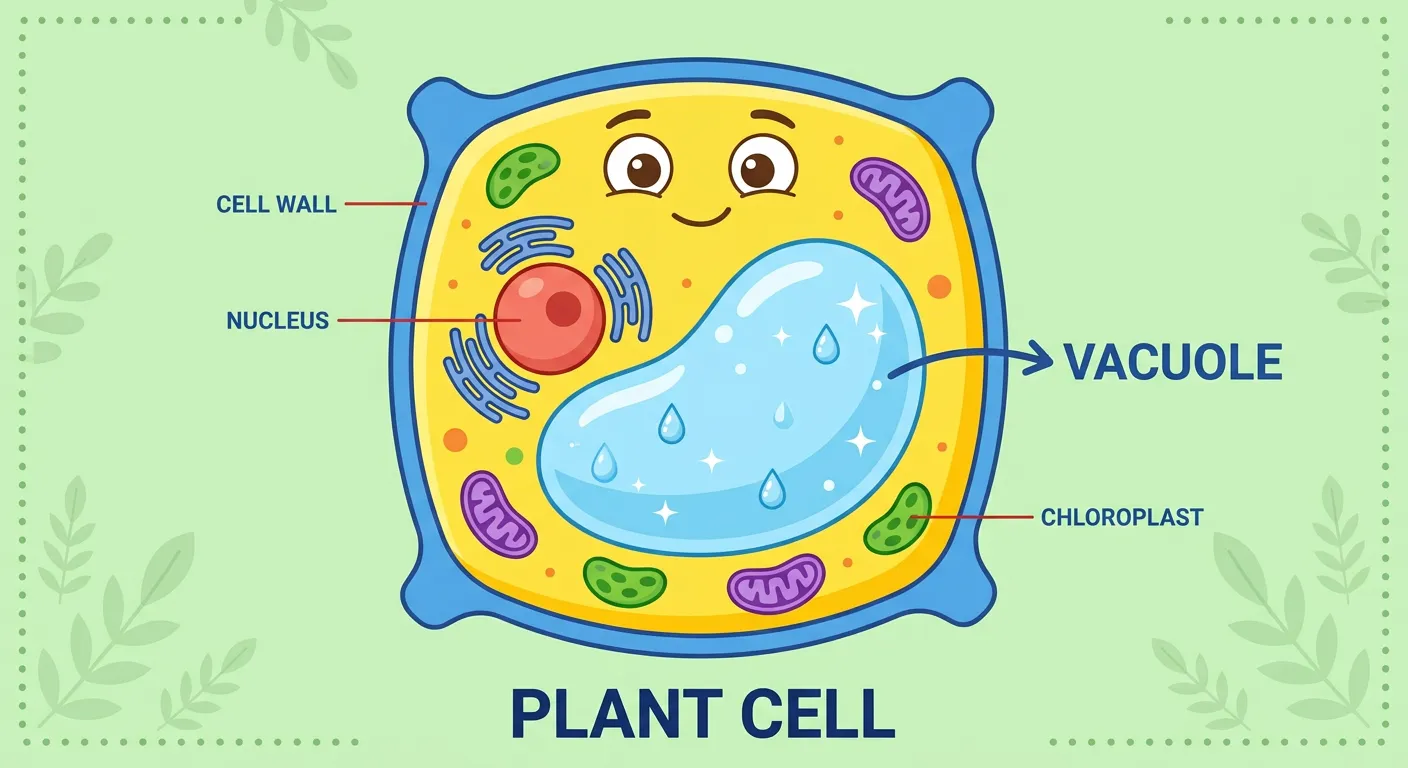
“Meet the Vacuole, the cell's ultimate storage unit! Think of it as the 'storage tank' or 'refrigerator' of the cell. Just like your home has a space to store extra water and supplies, every plant and animal cell has these membrane-bound sacs for keeping essentials safe.”
When we look at the internal landscape of a eukaryotic cell, particularly through an electron microscope, one of the most striking features is the presence of large, clear spaces within the cytoplasm. These are the vacuoles. In biological terms, a vacuole is defined as a membrane-bound space found within the cytoplasm. While they might look like empty 'bubbles,' they are actually dynamic storage units filled with a variety of substances that the cell needs to sequester. For a NEET aspirant, it is vital to understand that the vacuole is an integral part of the endomembrane system, working in tandem with the endoplasmic reticulum and the Golgi apparatus. The endomembrane system is a coordinated functional unit where the components, though distinct, work together to process and transport cellular materials. The vacuole serves as the final destination for many substances packaged by the Golgi body.
Think of the vacuole as the cell’s personal refrigerator or storage tank. Just as you keep water, food, and even waste bins in specific places in your house to keep the living room clean, the cell uses vacuoles to store water, sap, and excretory products. Crucially, the vacuole often contains materials that are not useful for the cell or could even be harmful if they were floating freely in the cytoplasm. This isolation is a key metabolic strategy. While both plant and animal cells possess these organelles, their size and prevalence differ drastically, which is a frequent point of comparison in medical entrance exams. In animal cells, vacuoles are often transient and numerous, whereas, in plants, the vacuole is a permanent, majestic structure that defines the cell's internal geometry. This distinction is not merely structural but reflects the different ecological and physiological demands placed on these organisms.
Quick Revision Points
- Vacuoles are single-membrane bound sacs found in the cytoplasm of eukaryotic cells.
- They are part of the endomembrane system, which also includes the ER, Golgi complex, and lysosomes.
- Contents include water, cell sap, excretory products, and non-utilizable materials.
- In animal cells, vacuoles are typically small, temporary, and numerous, whereas plant cells have one large, permanent central vacuole.
- They serve as a sequestration site for metabolic byproducts that might interfere with cytosolic reactions.
NEET Exam Angle
- Membrane Count: Always remember that a vacuole is bounded by a single unit membrane. This is a common trap in MCQ questions regarding double-membrane organelles (like mitochondria/chloroplasts).
- System Association: Vacuoles are functionally linked to the endomembrane system despite their seemingly static appearance.
- Content Nature: NEET questions often ask about the contents; focus on the phrase 'materials not useful for the cell' directly from the NCERT textbook.
02The Central Vacuole and Tonoplast: Architecture of Plant Cells
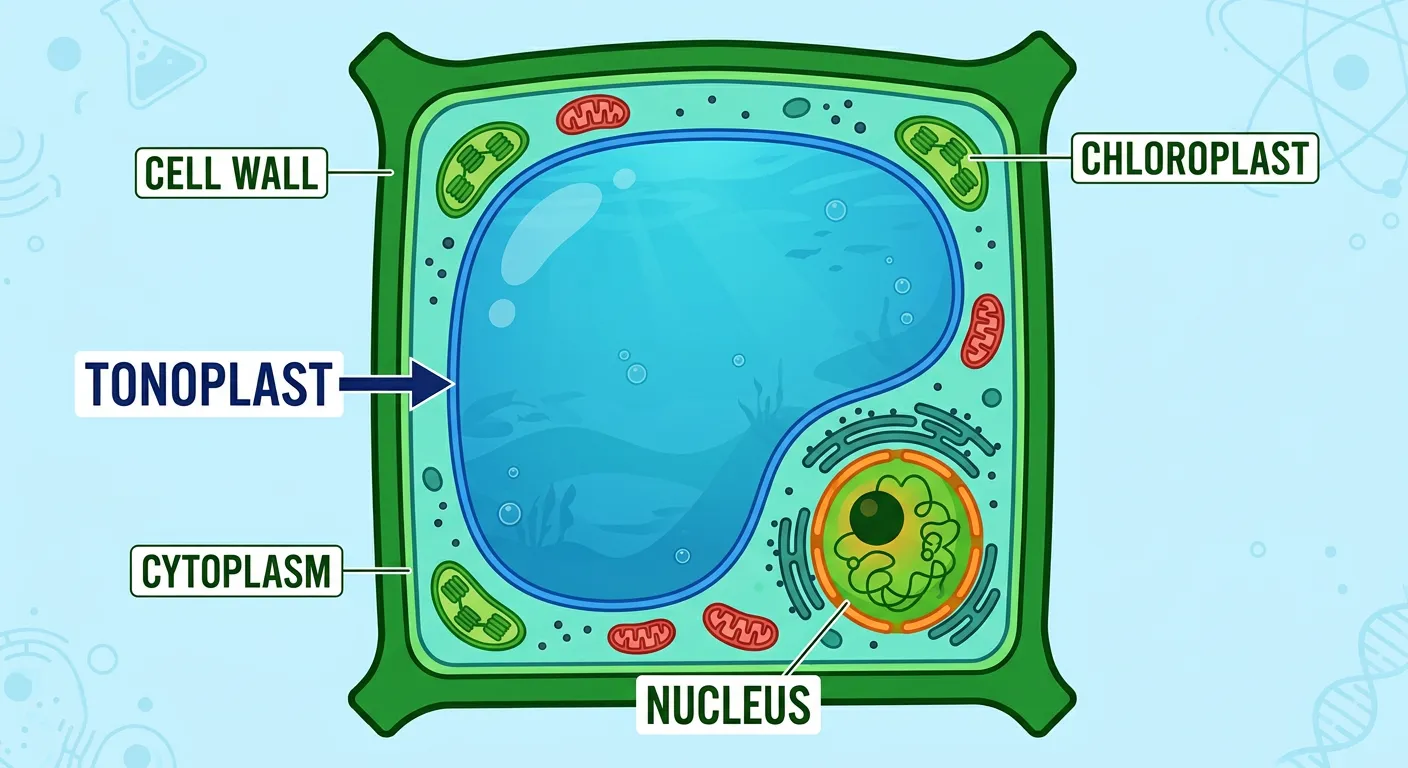
“In plants, vacuoles are showstoppers! They are huge, often taking up ninety percent of the cell volume. This central sac is surrounded by a special membrane called the Tonoplast. It’s like the heavy-duty wall that keeps the plant's internal treasure locked away from the rest of the cell.”
In the world of botany, the vacuole is not just a minor organelle; it is the dominant feature of the mature plant cell. In many cases, the central vacuole can occupy up to 90 percent of the cell's total volume. This massive expansion forces the rest of the cytoplasm and the nucleus to the periphery, creating a thin lining against the cell wall. This specific arrangement of the cytoplasm pushed against the wall is historically referred to as the 'primordial utricle.' This structural arrangement is essential for the plant's physiological efficiency, allowing the plant to maintain a high surface-area-to-volume ratio for its metabolic machinery despite having a large cell size. The boundary of this plant vacuole is a specialized single membrane called the Tonoplast. This is perhaps the most important term for your NEET preparation regarding this topic.
The fluid inside the central vacuole is known as 'cell sap.' It is not just water; it is a complex mixture of minerals, sugars, amino acids, and waste products. Furthermore, many plants store pigments such as anthocyanins within the cell sap, which provide the vibrant red, purple, or blue colors seen in flowers and fruits. These pigments are water-soluble and distinct from the fat-soluble pigments found in plastids. The chemical composition of this sap is significantly different from the surrounding cytosol. The tonoplast is not a passive barrier; it is highly selective. By maintaining a high concentration of solutes within the sap, the plant cell creates an osmotic environment that draws water in, which is fundamental to the plant's ability to stay rigid. Without this large central reservoir, the plant cell would lack the structural integrity required to support leaves and stems against the force of gravity. It serves as a landfill for toxins and metabolic byproducts that might otherwise poison the sensitive enzymes of the cytoplasm.
| Feature | Plant Vacuole (Central) | Animal Vacuoles |
|---|---|---|
| Size | Very large (up to 90% volume) | Small and inconspicuous |
| Permanence | Permanent structure | Usually temporary |
| Function | Turgidity and storage | Osmoregulation and excretion |
| Membrane | Tonoplast | Simple vacuolar membrane |
Quick Revision Points
- The central vacuole occupies up to 90% of the volume in mature plant cells.
- The tonoplast is the specific name for the single unit membrane surrounding the vacuole.
- Cell sap contains minerals, salts, sugars, and sometimes pigments (like anthocyanins).
- The presence of the large vacuole pushes the nucleus to a peripheral position (Primordial Utricle).
NEET Exam Angle
- Volume Statistics: Be prepared for questions citing the '90 percent' figure as a defining characteristic of plant cells.
- Membrane Identification: The term 'Tonoplast' is a frequent 'Match the Following' candidate in NEET Biology papers.
- Organelle Displacement: Understand that the large vacuole is the reason plant nuclei are often not centrally located.
03Turgor Pressure and Mechanical Support in Botanical Systems
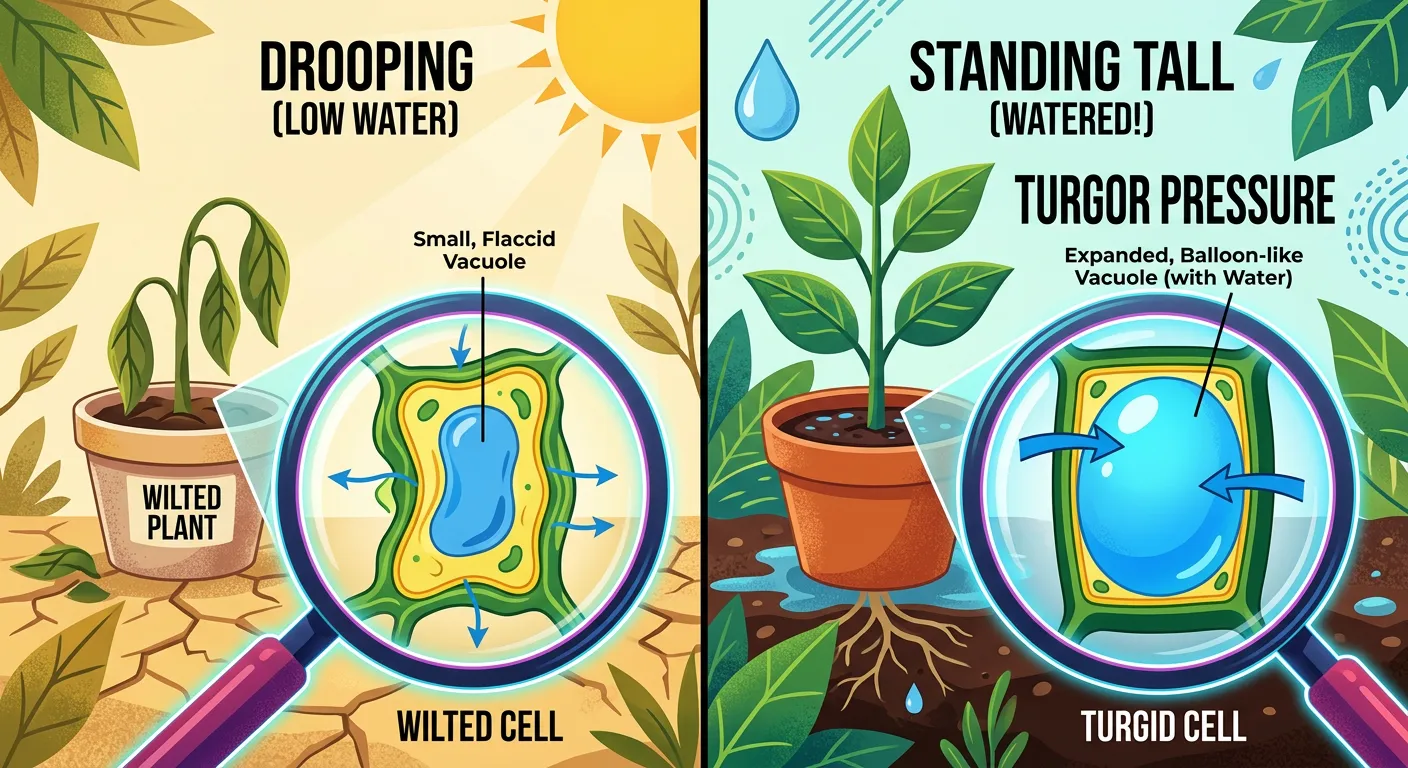
“How do plants stand tall without a skeleton? It's all about Turgor Pressure! When the central vacuole is full of water, it pushes against the cell wall, making the plant cell firm. It’s exactly like inflating a cycle tire to keep it strong and upright!”
How do herbaceous plants, which lack a woody skeleton, manage to stand upright and spread their leaves to the sun? The answer lies in the concept of Turgor Pressure. When the central vacuole is filled with cell sap, it exerts an outward hydrostatic pressure against the cytoplasm, which in turn presses against the rigid cell wall. This state is known as turgidity. Think of a cycle tire: when it is flat, it is soft and useless, but when you pump air into the inner tube, it becomes rock hard and can support your weight. In this analogy, the vacuole is the inner tube and the cell wall is the outer tire casing. This internal pressure is so strong that it can contribute to the growth of the cell; as the vacuole expands, it stretches the cell wall, allowing for cell elongation.
This turgidity is crucial for various plant movements, such as the opening and closing of stomata or the folding of leaves in sensitive plants like Mimosa pudica. These movements are driven by rapid changes in the water content of the vacuoles in specialized cells called motor cells or guard cells. When a plant loses more water than it takes in, the vacuoles shrink, the turgor pressure drops, and the plant wilts. This process is closely related to plasmolysis, where the cell membrane actually pulls away from the cell wall due to extreme dehydration. For NEET, understanding the relationship between the vacuole and the mechanical stability of the plant is a bridge to the 'Transport in Plants' chapter. It is important to note that turgor pressure is the primary force that keeps non-woody plants from collapsing. In many ways, the vacuole functions as a 'hydraulic skeleton' that provides support through fluid pressure rather than solid bone or wood.
| Condition | Vacuole Status | Cell Appearance |
|---|---|---|
| Turgid | Full of water; high pressure | Swollen, firm, upright |
| Flaccid | Water loss; pressure drops | Limp, wilted |
| Plasmolysed | Extreme water loss; vacuole collapses | Membrane pulls away from wall |
Quick Revision Points
- Turgor pressure is the pressure exerted by the vacuole against the cell wall.
- It provides mechanical strength to non-woody (herbaceous) plant parts.
- Turgidity is essential for maintaining the shape of cells and organs.
- Wilting occurs when vacuoles lose water and turgor pressure decreases.
NEET Exam Angle
- Mechanism of Support: Focus on how hydrostatic pressure maintains plant stature without specialized skeletal tissue.
- Physiological Links: Connect the function of the vacuole to the 'Water Potential' concepts in the Plant Physiology unit.
- Analogy Logic: Remember the cycle tire analogy to distinguish between the roles of the vacuole (pressure) and the cell wall (resistance).
04Selective Permeability: The Tonoplast as an Active Gatekeeper
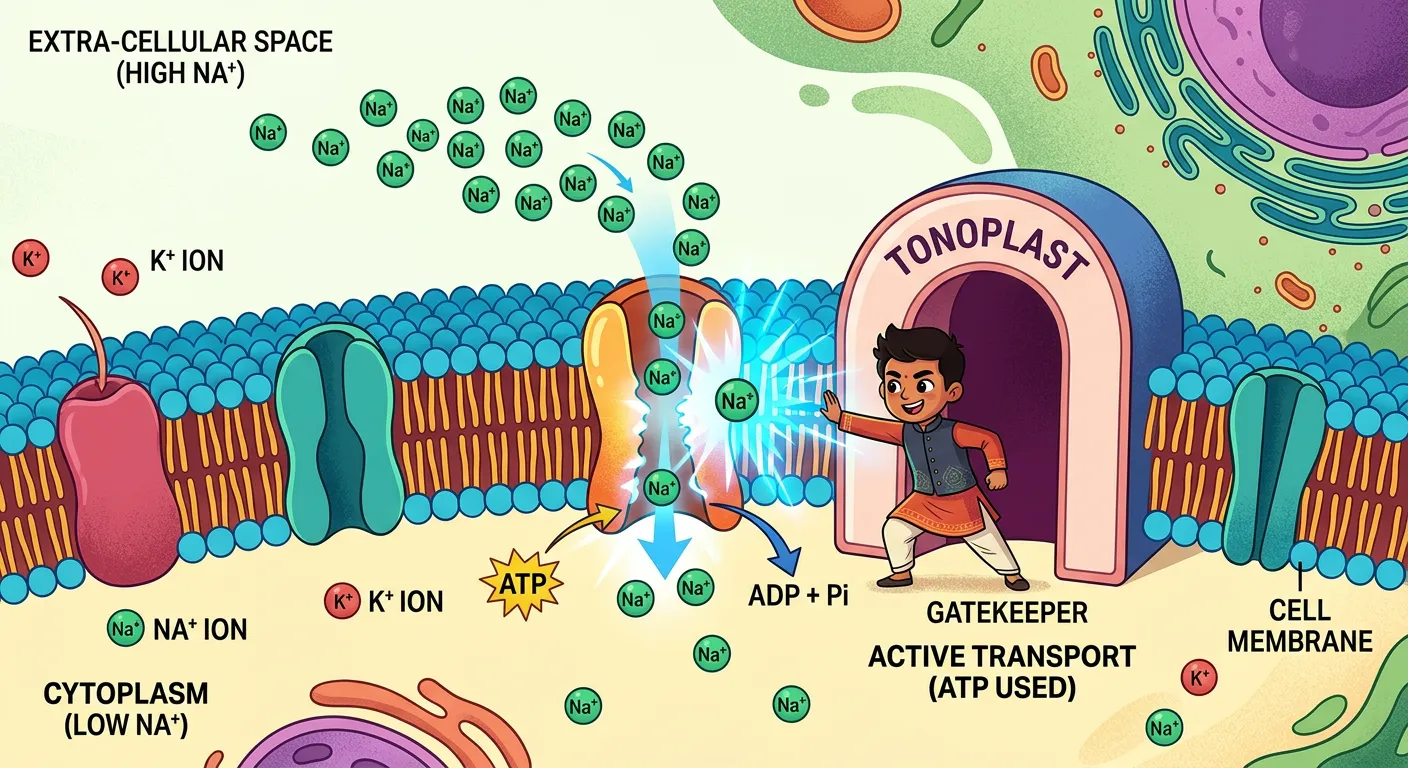
“The Tonoplast isn't just a boundary; it's a smart gatekeeper. It performs active transport, moving ions and nutrients against the concentration gradient into the vacuole. This keeps the cell’s internal environment perfectly balanced, even if the outside environment is constantly changing.”
The tonoplast is not just a boundary; it is a highly sophisticated molecular gatekeeper that regulates the intracellular environment. One of its most critical functions—and a favorite topic for NEET examiners—is its ability to transport ions and other materials against concentration gradients. This means the concentration of various ions, such as Potassium ($K^+$) and Chloride ($Cl^-$), is significantly higher in the vacuole than in the surrounding cytoplasm. To achieve this feat, the tonoplast utilizes active transport mechanisms, primarily driven by proton pumps (H+-ATPases) that expend energy in the form of ATP to create an electrochemical gradient. This gradient then drives the movement of other solutes into the vacuolar space.
This active accumulation serves several strategic biological purposes. By keeping the solute concentration high inside the vacuole, the tonoplast ensures a lower water potential (more negative osmotic potential) inside the compartment. This thermodynamic state drives the osmotic entry of water into the cell, maintaining the turgor pressure necessary for structural support. Furthermore, the tonoplast plays a vital role in pH regulation and cytoplasmic detoxification. If the cytoplasm becomes too acidic, the tonoplast can pump excess protons ($H^+$ ions) into the vacuole, sequestering them to maintain the homeostatic balance required for optimal enzymatic activities in the cytosol. It also acts as a storage site for toxic secondary metabolites like alkaloids and tannins, which protect the plant from herbivores. This selective permeability makes the vacuole a key player in the cell's internal 'economy,' managing resources, defensive chemicals, and waste with high precision. For the NEET exam, always remember that this movement is 'active' and 'against the gradient,' as these are the specific descriptors used in the NCERT textbook to describe tonoplast function.
| Feature | Cytoplasm Concentration | Vacuole Concentration | Transport Type |
|---|---|---|---|
| Inorganic Ions | Lower | Higher | Active Transport |
| Metabolic Waste | Lower | Higher | Active Transport |
| Water Potential | Higher | Lower | Osmosis (Inward) |
Quick Revision Points
- The tonoplast facilitates the transport of ions against concentration gradients into the vacuole.
- Ion concentration is consistently higher in the vacuole than in the cytoplasm.
- Active transport is the primary mechanism for maintaining this gradient.
- The tonoplast helps in maintaining cytoplasmic pH by sequestering protons.
NEET Exam Angle
- Concentration Gradient: A recurring NEET question asks: 'In plants, the tonoplast facilitates the transport of a number of ions and other materials against concentration gradients into the vacuole.' This is a direct quote from the NCERT.
- Energy Requirement: Since transport is against the gradient, it is active transport, requiring ATP.
- Homeostasis: Understand the role of the vacuole in regulating the 'milieu intérieur' of the cell.
05Osmoregulation: The Function of Contractile Vacuoles in Protists
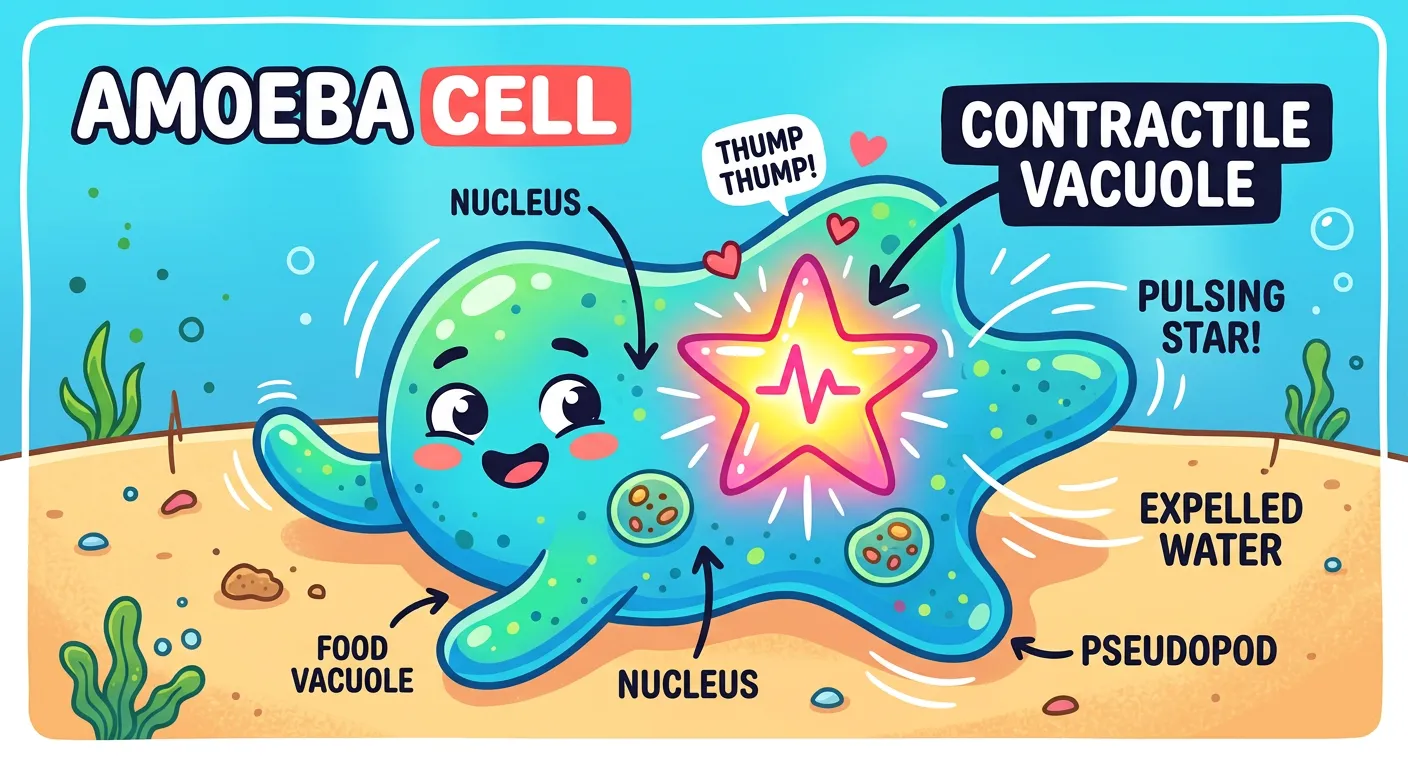
“Meet the Contractile Vacuole, the Amoeba's best friend! In freshwater organisms, water constantly enters the cell via osmosis. To avoid bursting, the contractile vacuole acts like a tiny bilge pump, rhythmically collecting and throwing excess water out. It's truly nature’s own self-balancing mechanism!”
Moving away from the plant kingdom, we find vacuoles playing specialized, life-saving roles in single-celled organisms like Amoeba and Paramecium. In freshwater environments, these organisms face a constant physiological challenge: water keeps entering their bodies through osmosis. This happens because their internal environment is hypertonic (higher solute concentration) compared to the surrounding pond water. Without a mechanism to remove this excess water, the cell would eventually swell and burst—a lethal process known as cytolysis. To prevent this, these protists have evolved a specialized organelle called the Contractile Vacuole.
The contractile vacuole acts like a biological 'bilge pump.' It goes through a rhythmic, energy-consuming cycle of filling and emptying. The filling phase is called diastole, where excess water and certain dissolved metabolic wastes are collected from the cytoplasm. In more complex protists like Paramecium, this water is gathered through a series of radiating canals that feed into the central vacuole. Once it reaches a certain threshold size, the vacuole moves to the cell surface, fuses with the plasma membrane, and contracts sharply—a phase called systole—expelling the water into the external environment. This entire process is known as osmoregulation. It is a perfect example of how an organelle can adapt to the specific ecological niche of an organism. If you were to place a freshwater Amoeba into a marine (saltwater) environment, the contractile vacuole would slow down or disappear entirely because the osmotic pressure driving water into the cell would be gone. This dynamic response is a key point for NEET students to remember when studying the 'Diversity in Living Organisms' unit. Understanding that contractile vacuoles are primarily an adaptation for life in hypotonic (freshwater) media is crucial for answering scenario-based MCQ questions about protist survival and metabolic adaptation.
Quick Revision Points
- Contractile vacuoles are found in many freshwater protists like Amoeba.
- Their primary function is osmoregulation (maintaining water balance) and excretion.
- Water enters the cell by osmosis; the contractile vacuole pumps it out.
- Diastole is the filling phase; Systole is the contraction/emptying phase.
- Marine protists usually lack contractile vacuoles because they live in an isotonic/hypertonic environment.
NEET Exam Angle
- Kingdom Link: Connect this function to Kingdom Protista in the Biological Classification chapter.
- Environmental Context: Remember that contractile vacuoles are a characteristic of freshwater organisms. Questions often ask what happens to an Amoeba if placed in saltwater (the vacuole disappears or works slower).
- Terminology: Focus on 'Osmoregulation' as the specific keyword for contractile vacuoles.
06Intracellular Digestion: The Formation and Role of Food Vacuoles
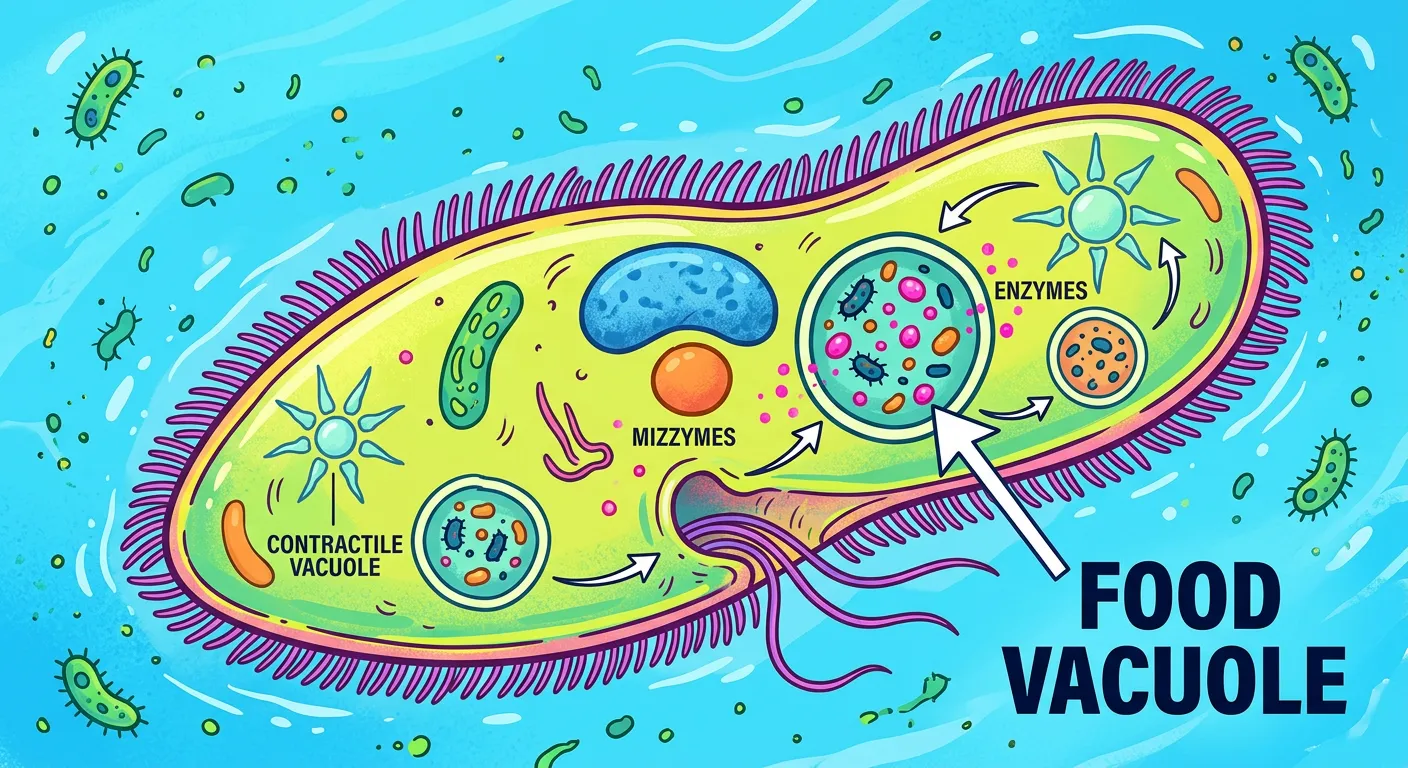
“Hungry? Protists like Paramecium use Food Vacuoles to eat. They engulf food particles through phagocytosis, forming these temporary digestive pockets. It’s basically a mobile kitchen where enzymes break down nutrients, providing the cell with the energy it needs to grow and survive.”
In many protists, vacuoles also serve as 'mobile kitchens' for processing nutrients. When an organism like Amoeba encounters a food particle, such as a bacterium or a small algal cell, it extends its pseudopodia to engulf the particle in a process called phagocytosis (often described as 'cell eating'). This engulfed particle is encased in a portion of the cell membrane, which pinches off internally to form a Food Vacuole. Unlike the permanent central vacuole of a plant or the semi-permanent contractile vacuole, food vacuoles are temporary structures that form specifically in response to feeding events.
Once inside the cytoplasm, the food vacuole does not stay isolated. It undergoes a series of fusion events with lysosomes, which are organelles packed with powerful digestive enzymes known as acid hydrolases. These enzymes break down the complex food particles into simpler, soluble molecules like glucose, fatty acids, and amino acids. These essential nutrients then diffuse out of the vacuole through its membrane and into the surrounding cytoplasm for the cell's use in growth and repair. The undigested waste remains trapped within the vacuole, which eventually moves toward the posterior end of the cell and fuses with the cell membrane to expel the contents via egestion (exocytosis). This entire process is a prime example of intracellular digestion. For NEET, it is important to distinguish this from the extracellular digestion seen in higher animals, where enzymes are secreted into a gut cavity. The formation of food vacuoles is a hallmark of many members of the Kingdom Protista and is a vital survival mechanism for heterotrophic single-celled organisms.
| Stage | Process | Action |
|---|---|---|
| Ingestion | Phagocytosis | Cell membrane engulfs food to form the vacuole |
| Digestion | Lysosomal Fusion | Enzymes break down the food within the vacuole |
| Absorption | Diffusion | Nutrients move from vacuole to cytoplasm |
| Egestion | Exocytosis | Waste is expelled as the vacuole merges with the membrane |
Quick Revision Points
- Food vacuoles are formed by the engulfing of food particles (phagocytosis).
- They are common in protists like Amoeba and Paramecium.
- Digestion occurs within the vacuole after fusion with lysosomes.
- They are temporary organelles that disappear after the digestion process is complete.
NEET Exam Angle
- Mechanism Comparison: Note the difference between phagocytosis (solid) and pinocytosis (liquid intake), though both can lead to vacuolar formation.
- Enzymatic Source: Remember that vacuoles themselves don't produce enzymes; they receive them from lysosomes.
- Protist Examples: Paramecium and Amoeba are the standard examples used in questions regarding food vacuoles.
07Comparative Summary: Mastering Vacuolar Diversity for NEET
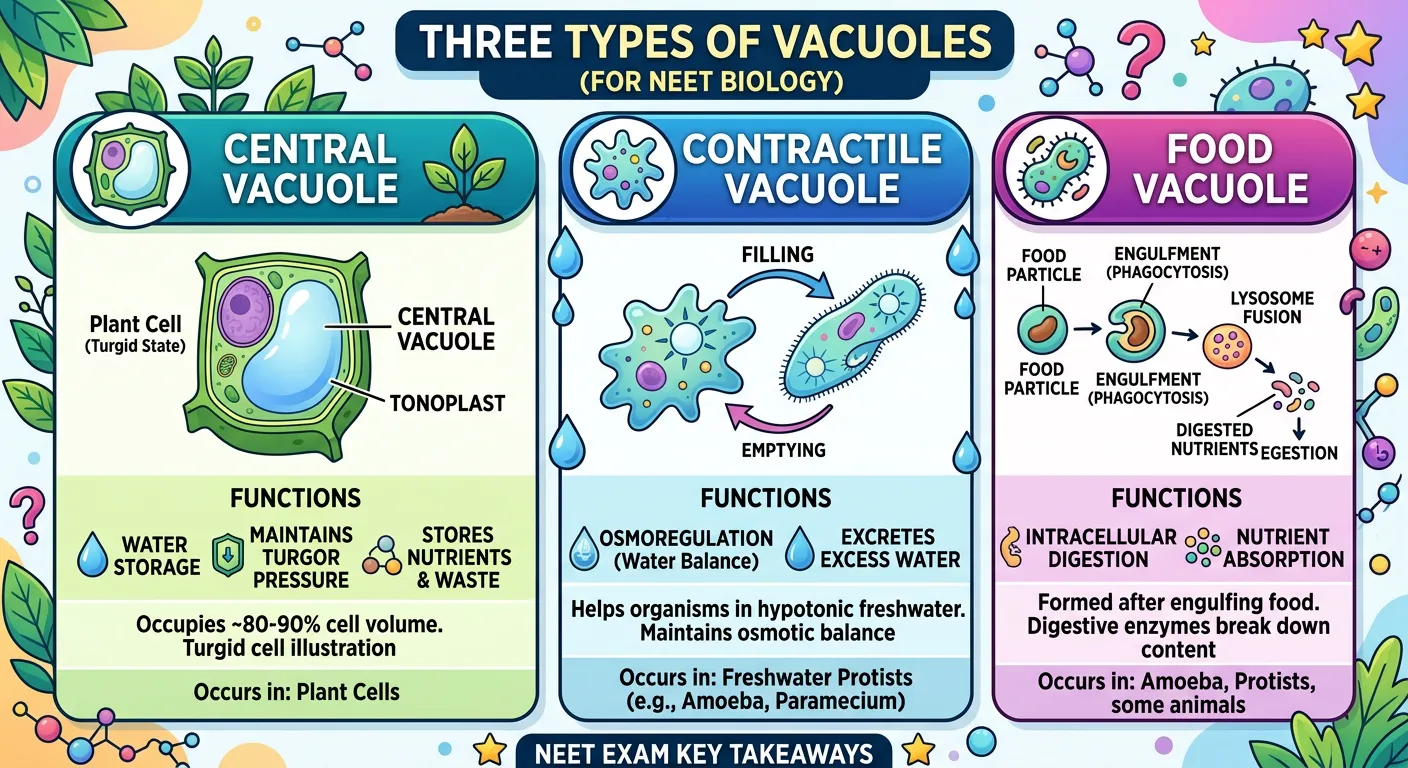
“Let’s summarize! Vacuoles are versatile: Central ones for structure and storage, Contractile ones for balance, and Food vacuoles for digestion. Master these, and you've unlocked a core NEET concept. Keep studying hard, stay curious, and you'll surely ace your Biology exams!”
To master the topic of vacuoles for NEET, one must view them through the lens of diversity and evolutionary adaptation. They are not a 'one-size-fits-all' organelle. From the massive, pressure-generating central vacuole of a sunflower that allows it to reach for the sun, to the rhythmic, water-pumping contractile vacuole of an Amoeba that prevents it from exploding in a pond, their functions are perfectly tailored to the organism's specific survival needs. In the plant kingdom, the focus is heavily on storage, waste sequestration, and turgidity; in the kingdom Protista, it shifts toward osmoregulation and nutrient processing. While animal cells do possess vacuoles, they are often overlooked in introductory textbooks because they are small, temporary, and do not play the same central structural role as their plant counterparts.
As you finalize your revision, focus on the unique nomenclature like 'Tonoplast' and the specific mechanisms like 'Active Transport' and 'Phagocytosis.' Many NEET questions are designed to test if you can link these terms to the correct kingdom and function. For instance, a common question might ask you to match 'Contractile Vacuole' with 'Osmoregulation' or 'Plant Vacuole' with '90% Cell Volume.' Identifying these patterns in Previous Year Questions (PYQs) will give you the edge you need to secure a high score. The vacuole is a testament to cellular efficiency—a simple membrane-bound space that performs complex, life-sustaining functions by isolating the 'useful' from the 'waste' and the 'water' from the 'cytosol.' Always keep the NCERT definitions at the forefront of your memory, as they form the literal basis for the majority of the medical entrance exam questions on cell biology.
| Organism | Primary Vacuole Type | Key Function |
|---|---|---|
| Higher Plants | Central Vacuole | Turgidity, Sap Storage, Waste Sequestration |
| Amoeba | Contractile / Food | Osmoregulation / Digestion |
| Paramecium | Contractile / Food | Water balance and feeding |
| Animal Cells | Small Vacuoles | Transport and minor storage |
Quick Revision Points
- Sap Vacuoles: Store water, minerals, and waste in plants.
- Contractile Vacuoles: Handle osmoregulation in freshwater protists.
- Food Vacuoles: Handle digestion in protists like Paramecium.
- Tonoplast: The single membrane of plant vacuoles that facilitates active transport.
- Turgidity: The state of being swollen and firm due to vacuolar pressure.
NEET Exam Angle
- Diagram Identification: Be able to label the tonoplast and central vacuole in a plant cell diagram.
- Concept Synthesis: Connect vacuolar function to the endomembrane system, transport mechanisms, and osmoregulation concepts.
- Match the Following: Prepare for tables linking vacuole types to their specific biological roles and organism examples.
Recommended Reading
Explore related Biology topics to build deeper chapter connections for NEET.
- Cell Theory · Topic 3.1
- Golgi Bodies · Topic 3.10
- Lysosomes · Topic 3.11
- Plastids · Topic 3.15
- Prokaryotic and Eukaryotic Cell · Topic 3.2
- Plant and Animal Cell · Topic 3.3
- Jump to Key Terms (Quick Revision)
- Review Common NEET Mistakes
- Solve NEET Practice MCQs
- Read Topic FAQs
- Practice NEET MCQs
- Solve NEET PYQs
📚 Key Terms
⚠️ Common NEET Mistakes
- 1Thinking vacuoles are double-membraned. Remember, they are part of the endomembrane system and have a single membrane (tonoplast).
- 2Confusing the tonoplast with the plasma membrane. The tonoplast specifically surrounds the vacuole, not the entire cell.
- 3Assuming animal cells have no vacuoles. They do have vacuoles, but they are typically very small and temporary compared to plant cells.
- 4Misunderstanding ion concentration. Many students think ions move into the vacuole by passive diffusion, but it is actually active transport against the gradient.
- 5Linking contractile vacuoles to digestion. Always associate contractile vacuoles with osmoregulation (water balance) and food vacuoles with digestion.
📝 NEET PYQ & Practice Questions
Test your understanding of Vacuoles with NCERT-aligned sample questions.
Which of the following statements is correct regarding "Vacuole" in the context of NEET Biology?
In NEET question papers, questions related to "Vacuoles" predominantly test:
Consider Turgor Pressure associated with Vacuoles. What is the primary characteristic expected in NEET MCQs?
Master Vacuoles with NeetQ AI Tutor
Practice 50+ topic-wise MCQs, previous 15 years NEET questions, and get step-by-step doubt resolution instantly.
❓ Frequently Asked Questions
What is the specific role of the tonoplast in plant cells according to NEET syllabus?
The tonoplast is the single membrane surrounding the central vacuole in plants. Its primary role is to facilitate the transport of ions and other materials against concentration gradients into the vacuole, ensuring that solute concentration is significantly higher inside the vacuole than in the cytoplasm.
How does the concentration of ions in the vacuole compare to the cytoplasm, and why?
The concentration of ions is higher in the vacuole than in the cytoplasm. This is maintained by active transport across the tonoplast. This high concentration creates a lower water potential inside the vacuole, which helps the cell absorb water by osmosis and maintain turgor pressure.
Why are vacuoles large in plants but small or absent in animal cells?
Plants rely on vacuoles for mechanical support (turgidity) and as a major storage site for metabolic wastes and water, which is necessary since they cannot move to find resources or excrete waste as easily as animals. Animals have other specialized systems (like the excretory system) and use a skeleton for support, making large vacuoles unnecessary.
How does a contractile vacuole help an Amoeba survive in freshwater?
In freshwater, an Amoeba's cytoplasm is hypertonic to the surroundings, causing water to constantly enter the cell. The contractile vacuole collects this excess water and rhythmically expels it outside, preventing the cell from swelling and eventually bursting.
What is the difference between a food vacuole and a lysosome?
A food vacuole is a temporary compartment formed by phagocytosis that contains engulfed food particles. A lysosome is a vesicle containing digestive enzymes. For digestion to occur, a food vacuole must fuse with a lysosome so the enzymes can break down the food.
How does turgidity in the central vacuole assist in plant growth and movement?
Turgidity provides the hydrostatic pressure needed to stretch the cell wall, allowing for cell elongation and growth. In movements like the closing of stomata or the wilting response, changes in vacuolar water content cause cells to change shape, enabling the plant to respond to environmental stimuli.
Written By
NEET Content Strategist & Biology Expert
Sangita Kumari is a NEET educator and content strategist with over 6 years of experience teaching Biology, Chemistry, and Physics to Class 11 and 12 aspirants. She helps bridge the gap between traditional NCERT preparation and modern AI-powered learning. Her content is trusted by thousands of NEET aspirants across India.